

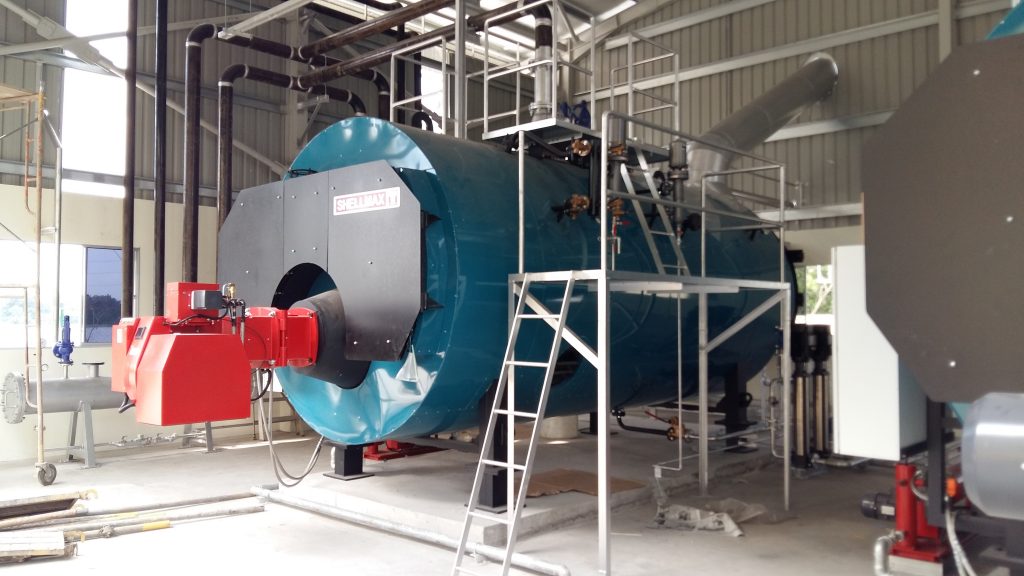
When it comes to industrial operations in Malaysia, boilers are the workhorses behind many processes—powering everything from steam generation to heat exchange and sterilization. However, like any mechanical system, boilers have a finite lifespan. Failing to replace an aging boiler on time can lead to increased energy bills, unexpected downtime, and safety hazards.
If you’re unsure whether your current system still meets your needs, here are clear signs it’s time to replace your industrial boiler in Malaysia.
Why Boilers Matter in Malaysian Industries
The tropical climate and energy demands in Malaysia make efficient thermal systems a critical part of daily industrial processes. Boilers are commonly used to generate steam or hot water for heating, sterilization, drying, and other applications. Depending on your industry, choosing the right boiler in Malaysia can directly impact your energy consumption and operational costs.
1. Rising Energy Costs
One of the first warning signs is a noticeable increase in fuel or energy consumption. Older boilers often suffer from reduced efficiency, causing them to work harder and burn more fuel. If your boiler in Malaysia is over 15–20 years old and your utility bills keep climbing, it may be more cost-effective to invest in a newer, high-efficiency model.
2. Frequent Breakdowns or Repairs
If your boiler service team is visiting more often than before, it could signal deeper issues. While maintenance is expected, constant part replacements or recurring faults indicate your system is nearing the end of its life. In the long run, replacing the boiler is more economical than ongoing repairs.
3. Difficulty Finding Replacement Parts
Older boiler models, especially those no longer supported by manufacturers, can be challenging to maintain due to limited spare parts. Delays in finding components can disrupt operations and increase downtime — a risk no business wants.
4. Uneven Heating or Steam Pressure
Inconsistent heat or pressure may indicate internal damage or scale buildup within the boiler tubes. If your system struggles to maintain stable output or respond to load demands, it’s a strong sign that your industrial boiler in Malaysia needs an upgrade.
5. Non-Compliance with Malaysian Safety Standards (DOSH/JKKP)
Boilers in Malaysia must comply with the Department of Occupational Safety and Health (DOSH or JKKP) regulations. If your boiler struggles to meet current safety or environmental standards—or if compliance costs are rising—it’s often smarter to install a modern, compliant system.
6. Outdated Technology
Modern boilers come with smart controls, automated systems, and energy recovery features that improve performance and reduce emissions. Upgrading gives you access to better monitoring, lower fuel consumption, and environmental compliance (e.g., DOE/JAS requirements in Malaysia).
7. Your Process Has Outgrown the Boiler
As your operations grow, your steam or heating requirements may exceed what your current boiler can handle. Undersized boilers can strain under increased workloads, leading to failures or efficiency loss. If you’re expanding your plant, it’s a good time to reassess your boiler capacity.
Final Thoughts: Don’t Wait for a Failure
In Malaysia’s fast-paced industrial landscape, boiler downtime can be costly. Recognizing the signs of boiler wear early allows you to plan a smooth upgrade—minimizing disruption, ensuring compliance, and improving overall energy efficiency.
Need expert advice on boiler replacement or system upgrades in Malaysia?
Sinflon Engineering offers professional consultation, system design, and turnkey boiler replacement solutions tailored to your industry. Contact us today to assess your current setup.
Disclaimer:
We hope you find this article helpful. The information provided is intended for general business and industry guidance only and may not apply to every situation. While we strive for accuracy, results and interpretations may vary based on specific business needs, locations, or industry conditions. We cannot guarantee that all information is error-free. Sinflon Engineering Sdn. Bhd. assumes no responsibility for any errors or omissions. For tailored business solutions, we recommend consulting with a professional or contacting us directly.