

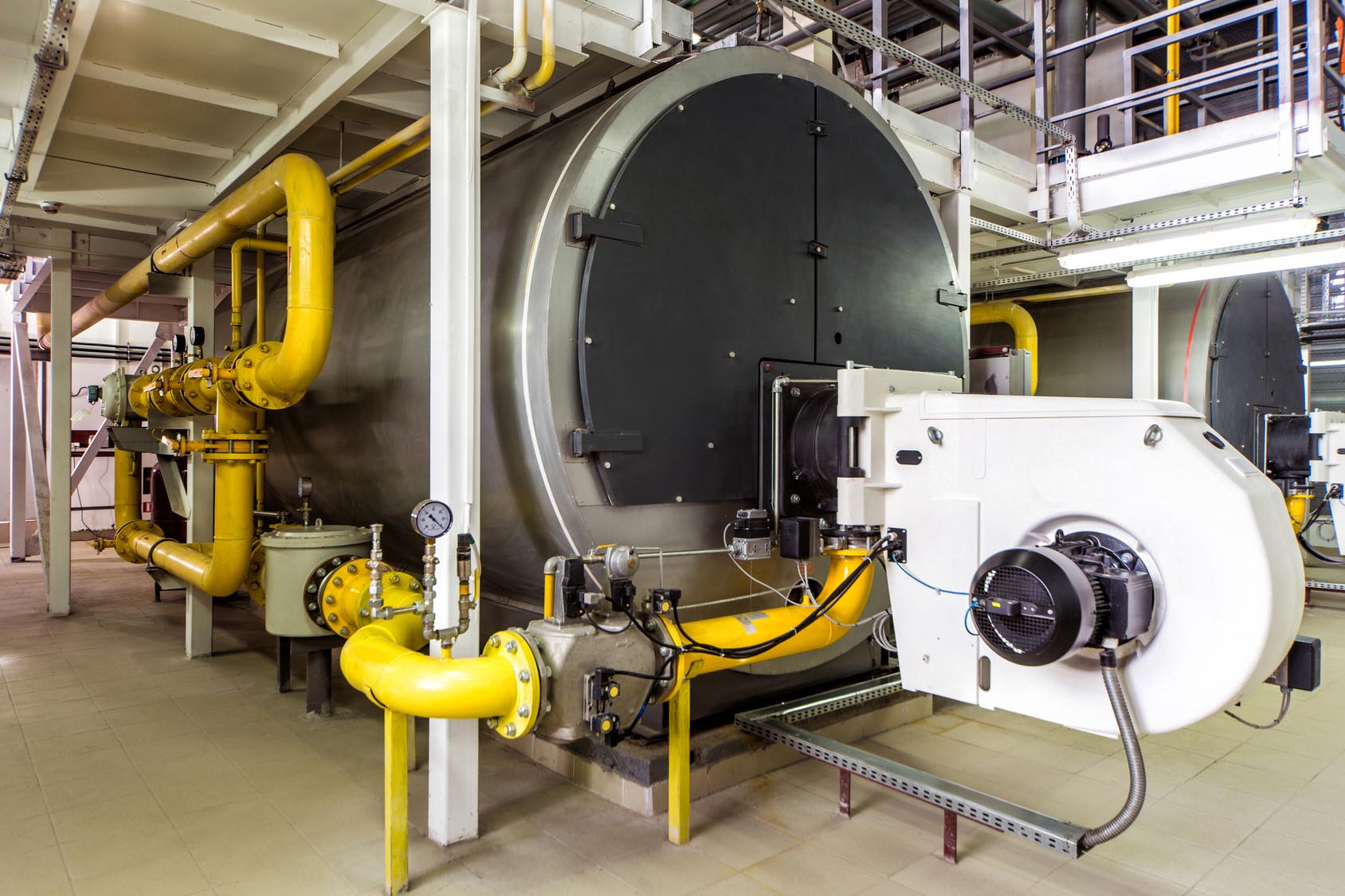
Choosing an industrial boiler is a major investment that affects your factory’s production efficiency, energy costs, and long-term operating reliability. The right boiler should match your production requirements, fuel availability, operating conditions, and future expansion plans.
Before purchasing an industrial boiler, you should evaluate key factors such as steam capacity, fuel type, efficiency, installation requirements, maintenance support, and supplier experience. Selecting a boiler based only on initial price can lead to higher operating costs, frequent downtime, and unexpected maintenance issues. Understanding the factors that influence industrial boiler price in Malaysia can help factories compare quotations more effectively before making an investment decision.
This guide highlights 10 important things every factory should check before buying an industrial boiler.
1. Determine Your Required Steam Capacity
The first step in selecting an industrial boiler is understanding how much steam your factory actually needs.
Boiler capacity is usually measured in:
- kg/hr (kilograms of steam per hour)
- TPH (tonnes per hour)
The required capacity depends on your production process, equipment demand, operating schedule, and peak steam consumption.
A boiler that is too small may not provide enough steam during high-demand periods, causing production delays. On the other hand, an oversized boiler may operate inefficiently because it frequently runs below its ideal load.
A professional boiler supplier should evaluate your current steam requirements and future production plans before recommending a suitable boiler size.
2. Choose the Right Fuel Type for Your Factory
Fuel selection has a direct impact on operating costs and boiler performance.
Common industrial boiler fuel options include:
Natural Gas Boiler
Suitable for factories that require clean operation, easier automation, and lower emissions.
Diesel Boiler
Often used where gas supply is unavailable or as a backup heating solution.
Biomass or Solid Fuel Boiler
Suitable for industries with access to renewable fuel sources such as wood waste, palm kernel shells, or other biomass materials.
The most suitable fuel depends on factors such as:
- Fuel availability in your location
- Energy cost
- Storage requirements
- Environmental considerations
- Maintenance requirements
A lower fuel cost does not always mean lower total operating cost. Fuel efficiency and system reliability should also be considered.
3. Understand Your Required Operating Pressure and Temperature
Different industrial processes require different steam conditions.
Before buying a boiler, identify:
- Required steam pressure
- Operating temperature
- Process equipment requirements
For example, food processing, chemical manufacturing, rubber production, and pharmaceutical industries may have different steam requirements.
Choosing the wrong operating pressure can affect production quality and increase energy consumption.
A reliable boiler supplier should understand your application instead of simply recommending a standard boiler model.
4. Compare Boiler Efficiency, Not Just Purchase Price
The cheapest boiler quotation may not always be the most economical choice.
Industrial boiler costs should be evaluated based on the total cost of ownership, including:
- Fuel consumption
- Maintenance expenses
- Spare parts availability
- Downtime risk
- Expected service life
A high-efficiency boiler may have a higher initial investment but can reduce fuel consumption and operating costs over many years.
Important efficiency factors include:
- Boiler design
- Burner performance
- Heat transfer efficiency
- Insulation quality
- Control system
5. Check the Supplier’s Installation and Commissioning Capability
Buying an industrial boiler involves more than equipment delivery.
Proper installation and commissioning are essential to ensure safe and reliable operation.
Ask whether the supplier provides:
- Boiler installation
- Piping connection
- Burner setup
- System testing
- Operator training
- Commissioning support
A poorly installed boiler may experience efficiency problems, unstable operation, or unnecessary breakdowns.
Working with an experienced industrial boiler supplier can reduce installation risks and ensure the system performs as expected.
6. Evaluate After-Sales Service and Technical Support
Industrial boilers operate as critical production equipment. Unexpected downtime can affect your entire manufacturing operation.
Before choosing a supplier, consider:
- Availability of technical support
- Response time for service requests
- Spare parts supply
- Preventive maintenance support
- Troubleshooting capability
A supplier’s support after installation is just as important as the boiler itself.
7. Consider Maintenance Requirements
Every industrial boiler requires regular maintenance to maintain efficiency and safety.
Important maintenance activities include:
- Boiler inspection
- Cleaning of heat transfer surfaces
- Burner servicing
- Water quality monitoring
- Safety device checking
- Replacement of worn components
Poor maintenance can result in:
- Higher fuel consumption
- Reduced steam output
- Equipment failure
- Shorter boiler lifespan
Understanding maintenance requirements before purchase helps your factory plan long-term operating costs. Regular inspection can also help identify signs your boiler needs replacement before major failures occur.
8. Check Safety and Regulatory Requirements in Malaysia
Industrial boilers in Malaysia must meet safety requirements and inspection requirements set by relevant authorities.
Before purchasing, consider:
- Boiler registration requirements
- Inspection requirements
- Safety equipment
- Operator competency requirements
- Documentation provided by the supplier
A professional supplier should understand local industrial boiler requirements and help ensure the system is installed and operated properly.
9. Plan for Future Production Expansion
Your factory requirements today may not be the same in the future.
Before selecting a boiler, consider:
- Expected production growth
- Additional production lines
- Future steam demand
- Possibility of system upgrades
Installing a boiler with no room for future expansion may require another major investment later.
A properly planned boiler system should support your long-term business growth.
10. Choose a Boiler Supplier with Proven Industrial Experience
The right supplier can make a significant difference in your boiler investment.
Look for a supplier with experience in:
- Industrial boiler installation
- Boiler servicing
- System troubleshooting
- Different manufacturing industries
- Long-term customer support
An experienced supplier can help you select the right boiler system based on your actual production needs rather than only focusing on equipment sales.
Common Mistakes to Avoid When Buying an Industrial Boiler
Many factories make purchasing decisions based only on the initial quotation price. Some common mistakes include:
- Selecting a boiler without calculating actual steam demand
- Ignoring future production expansion
- Choosing fuel without considering long-term availability
- Overlooking maintenance and service support
- Failing to compare operating costs
A well-planned boiler investment should consider performance, reliability, safety, and long-term value.
Frequently Asked Questions (FAQs)
What should I consider before buying an industrial boiler?
Before buying an industrial boiler, consider your steam requirements, fuel type, operating pressure, efficiency, maintenance needs, and supplier support. The right boiler should match your factory’s production process and long-term operating goals.
How do I choose the right size industrial boiler for my factory?
The correct boiler size depends on your steam demand, production process, operating hours, and future expansion plans. A boiler supplier can help calculate the required capacity to avoid insufficient steam supply or unnecessary energy waste.
How much does an industrial boiler cost in Malaysia?
Industrial boiler prices vary depending on capacity, fuel type, pressure rating, automation level, installation requirements, and supporting equipment. A proper quotation should be based on your factory’s specific heating needs.
Which type of industrial boiler is suitable for my factory?
The best boiler depends on your production requirements, available fuel sources, and operating conditions. Common options include gas boilers, diesel boilers, biomass boilers, and solid fuel boilers.
How long does an industrial boiler last?
An industrial boiler can last for many years with proper operation, water treatment, and regular maintenance. Its lifespan depends on boiler design, operating conditions, and maintenance practices.
Why is choosing the right boiler supplier important?
An experienced boiler supplier provides support beyond equipment supply, including system selection, installation, commissioning, and after-sales service. Reliable support helps reduce downtime and maintain efficient boiler operation.
What maintenance does an industrial boiler require?
Industrial boiler maintenance includes burner servicing, safety checks, cleaning, water quality monitoring, and inspection of key components. Regular maintenance helps improve efficiency and extend boiler lifespan.
Do industrial boilers require approval in Malaysia?
Yes. Industrial boilers in Malaysia must comply with relevant safety and inspection requirements. Working with a knowledgeable supplier helps ensure proper documentation, installation, and compliance.
Need Help Choosing the Right Industrial Boiler?
Selecting the right industrial boiler requires careful evaluation of your production process, steam requirements, fuel options, operating conditions, and future expansion plans.
Sinflon provides industrial boiler solutions in Malaysia, including boiler supply, installation, servicing, and technical support to help factories achieve reliable and efficient heating operations.
Contact our team to discuss your factory requirements and explore a suitable industrial boiler solution.
Disclaimer:
We hope you find this article helpful. The information provided is intended for general business and industry guidance only and may not apply to every situation. While we strive for accuracy, results and interpretations may vary based on specific business needs, locations, or industry conditions. We cannot guarantee that all information is error-free. Sinflon Engineering Sdn. Bhd. assumes no responsibility for any errors or omissions. For tailored business solutions, we recommend consulting with a professional or contacting us directly.