

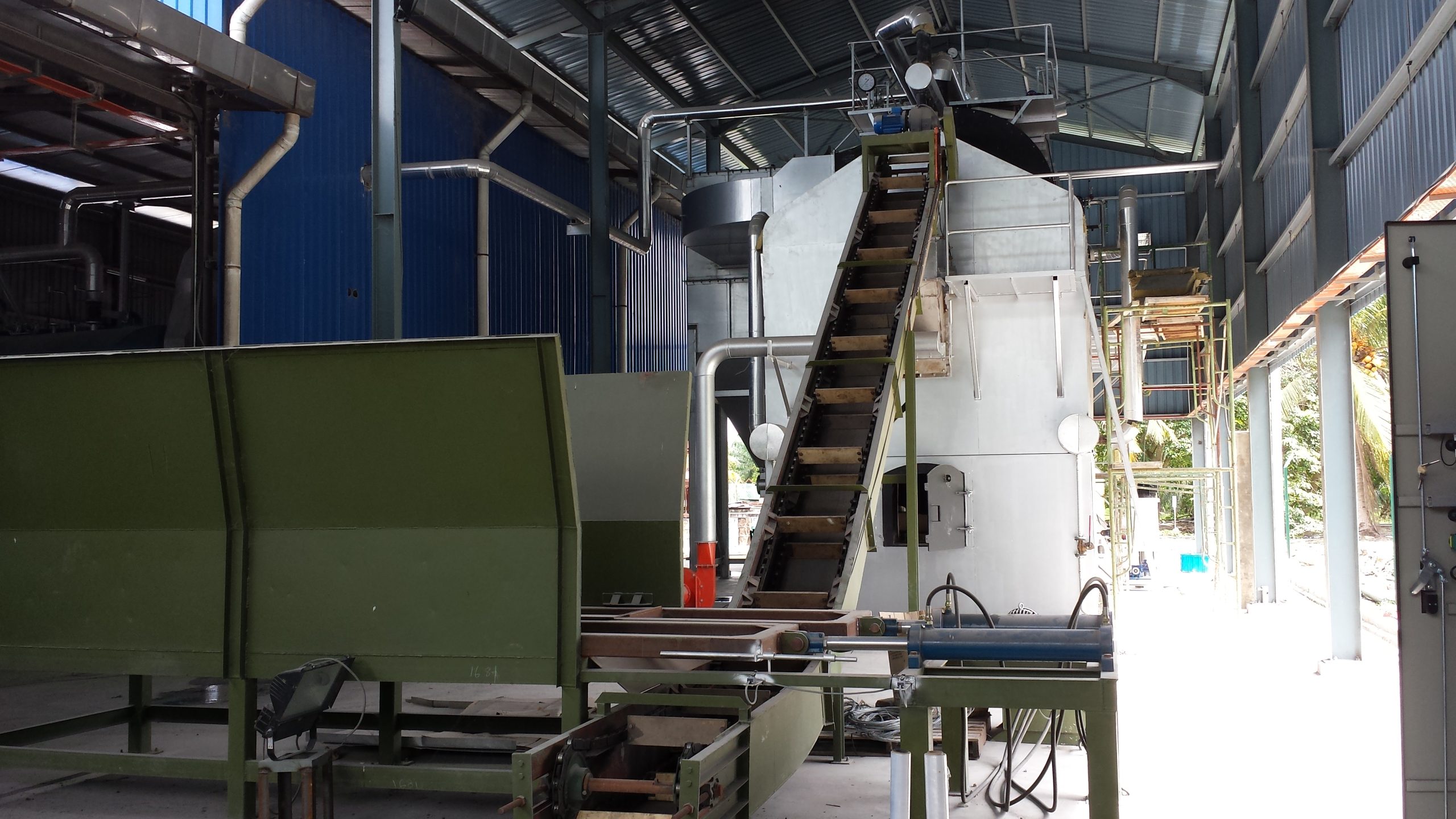
Industrial boilers are critical equipment for many manufacturing operations. When a boiler operates inefficiently or experiences unexpected downtime, it can affect production schedules, energy costs, and overall factory performance.
Regular industrial boiler maintenance helps improve operating efficiency, reduce breakdown risks, maintain safety, and extend equipment lifespan. Key maintenance checks include monitoring boiler water quality, inspecting safety components, maintaining the burner system, and identifying early signs of performance issues.
This guide covers 8 essential industrial boiler maintenance checks that every factory should include in their maintenance routine.
1. Check Boiler Water Quality Regularly
Water quality is one of the most important factors affecting industrial boiler performance.
Poor water quality can cause:
- Scale formation on heat transfer surfaces
- Corrosion inside boiler components
- Reduced heating efficiency
- Higher fuel consumption
- Shorter equipment lifespan
Factories should regularly monitor important water parameters such as pH level, hardness, dissolved solids, and chemical treatment levels.
Proper boiler water treatment helps maintain efficient heat transfer and reduces the risk of costly repairs.
2. Monitor Boiler Pressure and Temperature
Boiler pressure and temperature should be checked regularly to ensure the system is operating within the recommended range.
Abnormal readings may indicate problems such as:
- Steam demand imbalance
- Control system issues
- Water circulation problems
- Component malfunction
Sudden pressure fluctuations or unstable temperature conditions should be investigated early to prevent more serious operational issues.
Maintaining stable operating conditions helps ensure consistent steam supply for factory processes.
3. Inspect and Maintain the Burner System
The burner plays an important role in boiler efficiency because it controls fuel combustion.
Regular burner maintenance should include checking:
- Fuel supply system
- Air-to-fuel ratio
- Flame condition
- Ignition system
- Burner cleanliness
An inefficient burner can result in incomplete combustion, higher fuel consumption, and reduced boiler performance.
Proper burner adjustment helps improve combustion efficiency and maintain reliable operation.
4. Clean Heat Transfer Surfaces
Industrial boilers rely on efficient heat transfer to convert fuel energy into steam.
Over time, deposits such as soot, scale, and combustion residue can build up on heat transfer surfaces. This reduces heat transfer efficiency and forces the boiler to use more fuel to produce the same steam output.
Regular cleaning of boiler tubes, combustion areas, and heat exchange surfaces helps maintain efficiency and reduces unnecessary energy consumption.
5. Inspect Boiler Safety Devices and Controls
Safety systems are essential for preventing dangerous operating conditions.
Factories should regularly check:
- Pressure relief valves
- Water level controls
- Temperature controls
- Safety alarms
- Emergency shutdown systems
These components help protect the boiler from excessive pressure, low water conditions, and abnormal operation.
Regular inspection ensures safety devices remain functional when they are needed.
6. Check Boiler Components for Wear and Damage
Regular visual inspections can help identify problems before they become major failures.
Important components to inspect include:
- Valves
- Pumps
- Pipes and connections
- Pressure gauges
- Seals and gaskets
- Boiler fittings
Signs such as leaks, unusual noise, vibration, or corrosion should not be ignored.
Early detection allows factories to perform preventive repairs instead of dealing with unexpected downtime.
7. Maintain Steam Quality and Condensate Return System
For factories using steam boilers, maintaining good steam quality is important for process efficiency.
Poor steam quality may cause:
- Reduced heating performance
- Water carryover issues
- Increased energy losses
- Process quality problems
Factories should also inspect the condensate return system, including steam traps and return piping, to ensure recovered heat and water are used effectively.
A properly maintained condensate system can help improve overall boiler efficiency.
8. Schedule Professional Boiler Servicing
Daily monitoring and routine checks are important, but professional boiler servicing is also required to maintain long-term reliability.
Professional boiler servicing may include:
- Detailed equipment inspection
- Burner adjustment
- Performance checks
- Component testing
- Troubleshooting
- Preventive maintenance recommendations
Working with an experienced boiler service provider helps identify hidden issues and ensures the boiler continues operating safely and efficiently.
Common Signs Your Industrial Boiler Needs Maintenance
Factories should arrange maintenance when they notice:
- Increased fuel consumption
- Reduced steam output
- Unusual operating noise
- Frequent pressure fluctuations
- Water leakage
- Longer heating time
- Increased boiler downtime
Ignoring these warning signs may lead to higher repair costs and production interruptions.
Benefits of Regular Industrial Boiler Maintenance
A proper maintenance program can help factories achieve:
Improved Energy Efficiency
Clean and properly adjusted boiler systems require less fuel to generate steam.
Reduced Downtime
Preventive maintenance helps identify potential failures before they affect production.
Longer Boiler Lifespan
Regular inspection and servicing reduce wear on important components.
Safer Operation
Maintained safety devices and controls help reduce operational risks.
Frequently Asked Questions (FAQs)
How often should an industrial boiler be serviced?
The servicing frequency depends on boiler type, operating hours, fuel type, and production requirements. Regular inspections and preventive maintenance should be scheduled based on operating conditions and manufacturer recommendations.
What happens if an industrial boiler is not maintained?
Poor maintenance can lead to lower efficiency, higher fuel consumption, increased breakdown risk, and reduced boiler lifespan. In serious cases, neglected maintenance may also create safety risks.
How can I improve my industrial boiler efficiency?
Improving boiler efficiency involves maintaining proper water quality, servicing the burner system, cleaning heat transfer surfaces, checking controls, and ensuring the boiler operates at suitable conditions.
What is included in industrial boiler servicing?
Industrial boiler servicing typically includes equipment inspection, burner checks, safety system testing, cleaning, performance evaluation, and identifying components that require repair or replacement.
How long does an industrial boiler last with proper maintenance?
A well-maintained industrial boiler can provide many years of reliable service. Its lifespan depends on boiler design, operating conditions, water treatment quality, maintenance practices, and usage intensity.
Why is boiler water treatment important?
Boiler water treatment helps prevent scale and corrosion that can reduce heat transfer efficiency, increase fuel consumption, and damage internal boiler components.
Keep Your Industrial Boiler Running Efficiently
A well-maintained boiler helps reduce unexpected downtime, maintain energy efficiency, and support continuous factory operations.
Sinflon provides industrial boiler servicing, maintenance support, and heating system solutions in Malaysia to help factories maintain reliable boiler performance.
Contact our team to discuss your boiler requirements and explore the right maintenance solution for your facility.
Disclaimer:
We hope you find this article helpful. The information provided is intended for general business and industry guidance only and may not apply to every situation. While we strive for accuracy, results and interpretations may vary based on specific business needs, locations, or industry conditions. We cannot guarantee that all information is error-free. Sinflon Engineering Sdn. Bhd. assumes no responsibility for any errors or omissions. For tailored business solutions, we recommend consulting with a professional or contacting us directly.