

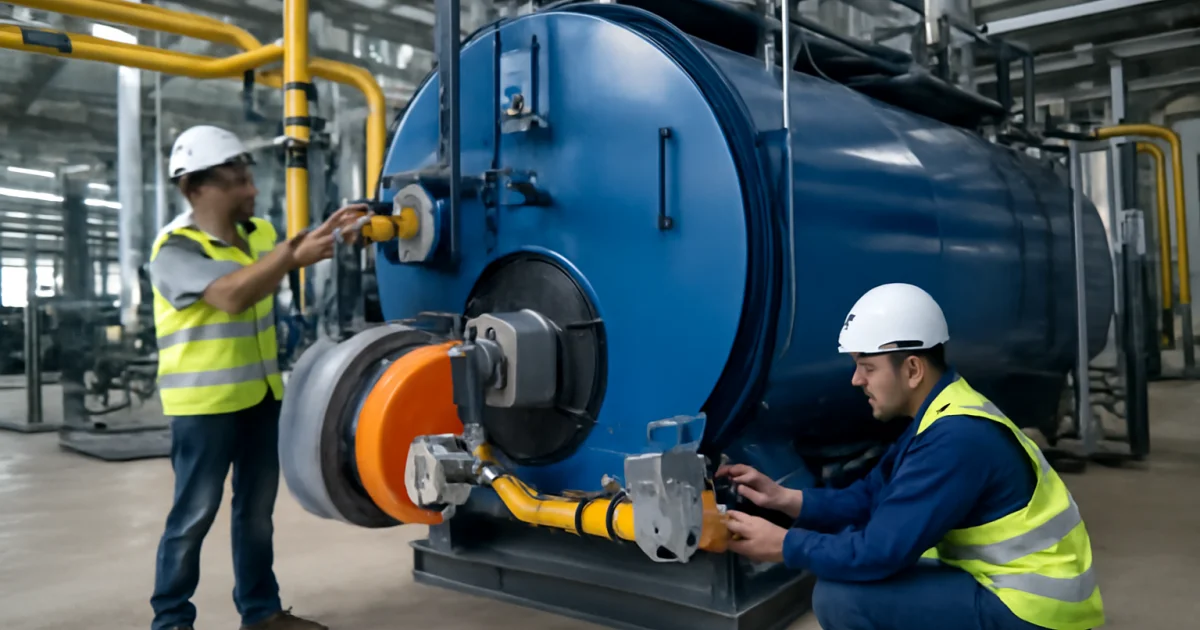
Gas fired steam boilers are vital assets for many Malaysian industrial operations, offering reliable, efficient, and cost-effective process heating. Whether you manage a manufacturing plant, food processing facility, or chemical operation, a properly installed gas fired steam boiler can boost productivity, safety, and long-term value. This guide provides engineering contractors, plant owners, and technical teams with a clear, actionable roadmap for a successful installation in Malaysia—covering planning, site preparation, equipment setup, commissioning, and compliance. For readers comparing options, Gas Fired Steam Boiler Malaysia is the main topic this guide explains.
1. Pre-Installation Planning and Assessment
Every successful boiler installation starts with thorough planning. Begin by evaluating your facility’s current and future steam demand. Calculate required boiler capacity (measured in tons/hour or kg/hour) based on production needs and peak loads. Consider existing fuel availability—natural gas or LPG—and ensure local supply is reliable and cost-effective.
- Site Survey: Assess available floor space, ceiling height, access routes, and supporting infrastructure. Identify optimal locations for the boiler, considering proximity to steam users, ventilation, and safety clearances.
- Utility Assessment: Check for adequate gas supply pressure, water quality and flow, drainage, and power supply. Ensure all connections can support the boiler’s operational requirements.
- Regulatory Review: Familiarize yourself with local regulations. In Malaysia, compliance with DOSH (JKKP) and DOE (JAS) standards is mandatory. Engage with authorities early to clarify documentation and approval timelines.
2. Preparing the Installation Site
Once planning is complete, prepare the site to accommodate the new steam boiler. Proper site preparation ensures safety, ease of maintenance, and long-term performance.
- Foundation Works: Construct a solid, level concrete foundation capable of supporting the weight of the boiler, auxiliary equipment, and piping. Follow manufacturer guidelines and local building codes.
- Ventilation & Access: Provide adequate ventilation for combustion air and heat dissipation. Design access paths for maintenance and emergency response, keeping the area clear of obstructions.
- Utility Connections: Lay out gas lines, water supply, electrical wiring, and drainage systems as per technical drawings. Install appropriate shut-off valves, pressure regulators, and safety devices at key points.
- Safety Provisions: Mark emergency exits, install fire extinguishers, and ensure proper lighting. Prepare for potential hazards by training staff and displaying safety procedures clearly.
3. Receiving and Positioning the Boiler Equipment
When the gas fired steam boiler and ancillary components arrive onsite, inspect all deliveries for damage or missing parts. Use proper lifting equipment and follow safety protocols during handling.
- Unpacking and Inspection: Carefully unpack the boiler, burner, control panel, pumps, and accessories. Match received items with the packing list and report discrepancies immediately.
- Positioning: Place the boiler on the prepared foundation, ensuring alignment with utility inlets and outlets. Use leveling tools to check that the unit sits flat—uneven installation may cause future issues.
- Fixing and Anchoring: Secure the boiler to the foundation with anchor bolts or brackets as per the manufacturer’s instructions. This step minimizes vibration and prevents movement during operation.
4. Mechanical and Electrical Installation
With the boiler in place, proceed to connect the mechanical and electrical systems. Precision during this stage prevents leaks, malfunctions, and safety incidents.
- Gas Supply Piping: Install gas lines using approved materials and methods. Fit pressure regulators, shut-off valves, and gas leak detectors. Test the system for leaks before connecting to the boiler.
- Steam and Water Piping: Connect feedwater inlets, steam outlets, blowdown lines, and return pipes. Use appropriate gaskets, flanges, and supports, ensuring all joints are watertight and insulated where necessary.
- Electrical Wiring: Wire the control panel, burner, pumps, and safety interlocks according to the provided schematic. Use certified electricians and follow Malaysian electrical standards.
- Ancillary Equipment: Install feedwater pumps, condensate return tanks, pressure gauges, safety valves, and other accessories. Check alignment and secure all fittings.
5. Commissioning, Testing, and Compliance
Before the boiler enters service, comprehensive commissioning and regulatory approval are essential. This phase ensures safety, efficiency, and compliance with Malaysian law.
- Pre-Start Checks: Review all connections, fill the system with treated water, and confirm that gas and electrical supplies are stable. Inspect safety devices and interlocks.
- Initial Firing: Start the boiler under supervision, following the manufacturer’s firing sequence. Observe burner operation, monitor pressure and temperature, and listen for unusual noises.
- Performance Testing: Check for steam output, fuel efficiency, and correct operation of controls and safety systems. Adjust combustion settings for optimal performance and emissions compliance.
- Regulatory Inspection: Schedule inspections with DOSH (JKKP) and, if required, DOE (JAS). Prepare all documentation, including test certificates, drawings, and operation manuals. Address any issues raised during inspection before formal approval.
6. Training, Documentation, and Ongoing Maintenance
After installation and approval, equip your team for safe, reliable operation. Proper training and documentation support long-term boiler efficiency and compliance.
- Operator Training: Conduct hands-on training sessions for operators and maintenance staff. Cover safe start-up, shutdown, emergency procedures, and routine checks.
- Documentation: Provide manufacturers’ manuals, wiring diagrams, maintenance schedules, and regulatory certificates. Store these documents in an accessible location.
- Maintenance Planning: Establish a preventive maintenance schedule, including regular inspections, cleaning, and testing of safety devices. Schedule annual servicing and keep a detailed log of all repairs or upgrades.
- Partner with Experts: Engage with experienced service providers for boiler maintenance, repair, and efficiency upgrades. This is especially important for gas fired steam boiler systems in Malaysia, where local expertise ensures regulatory compliance and reliable support.
Conclusion
Successful installation of a gas fired steam boiler in Malaysian industrial facilities requires careful planning, skilled execution, and strict adherence to local regulations. By following this structured step-by-step approach, you’ll ensure your new boiler delivers safe, efficient, and compliant steam production for years to come. Whether you’re a plant owner, engineering contractor, or maintenance team leader, investing in quality installation and ongoing care protects your assets and supports operational excellence.
Frequently Asked Questions
What are the main regulatory requirements for installing a gas fired steam boiler in Malaysia?
Installations must comply with DOSH (JKKP) regulations, covering pressure vessel safety, certification, and operator training. Environmental standards from DOE (JAS) may also apply, especially regarding emissions. It’s essential to submit the correct documentation and schedule inspections before commissioning the boiler.
How long does it typically take to install and commission a gas fired steam boiler in an industrial facility?
A standard installation process, from site preparation to commissioning, usually takes between 4 to 8 weeks, depending on site complexity, equipment lead times, and regulatory inspection schedules. Early engagement with authorities and experienced contractors can help prevent delays.
Can a gas fired steam boiler be installed in existing factories that previously used other fuel types?
Yes, many industrial facilities in Malaysia retrofit or upgrade from oil or biomass-fueled boilers to gas fired models. A thorough site assessment is required to adapt piping, foundations, and utility connections. Regulatory re-approval is also necessary when switching boiler types.
What steps help ensure optimal performance and safety after installation?
Comprehensive operator training, preventive maintenance schedules, regular safety device checks, and routine efficiency monitoring all contribute to safe and reliable boiler operation. Partnering with qualified maintenance providers ensures ongoing compliance and early detection of issues.
Are there service providers for gas fired steam boiler installation and maintenance in Penang and throughout Malaysia?
Yes, companies like Sinflon Engineering Sdn Bhd offer complete services—including supply, installation, maintenance, and regulatory assistance for gas fired steam boilers in Penang and across Malaysia. Engaging with local experts ensures the highest standards of support and compliance.
Expert Gas Fired Steam Boiler Solutions for Malaysian Industry
Ready to install or upgrade your industrial steam boiler? Sinflon Engineering Sdn Bhd delivers turnkey solutions for gas fired steam boilers—including design, installation, maintenance, and regulatory compliance. With decades of expertise and comprehensive after-sales support, our team ensures your boiler project is safe, efficient, and fully compliant with Malaysian standards. Let us help you achieve reliable process heating and operational excellence.