

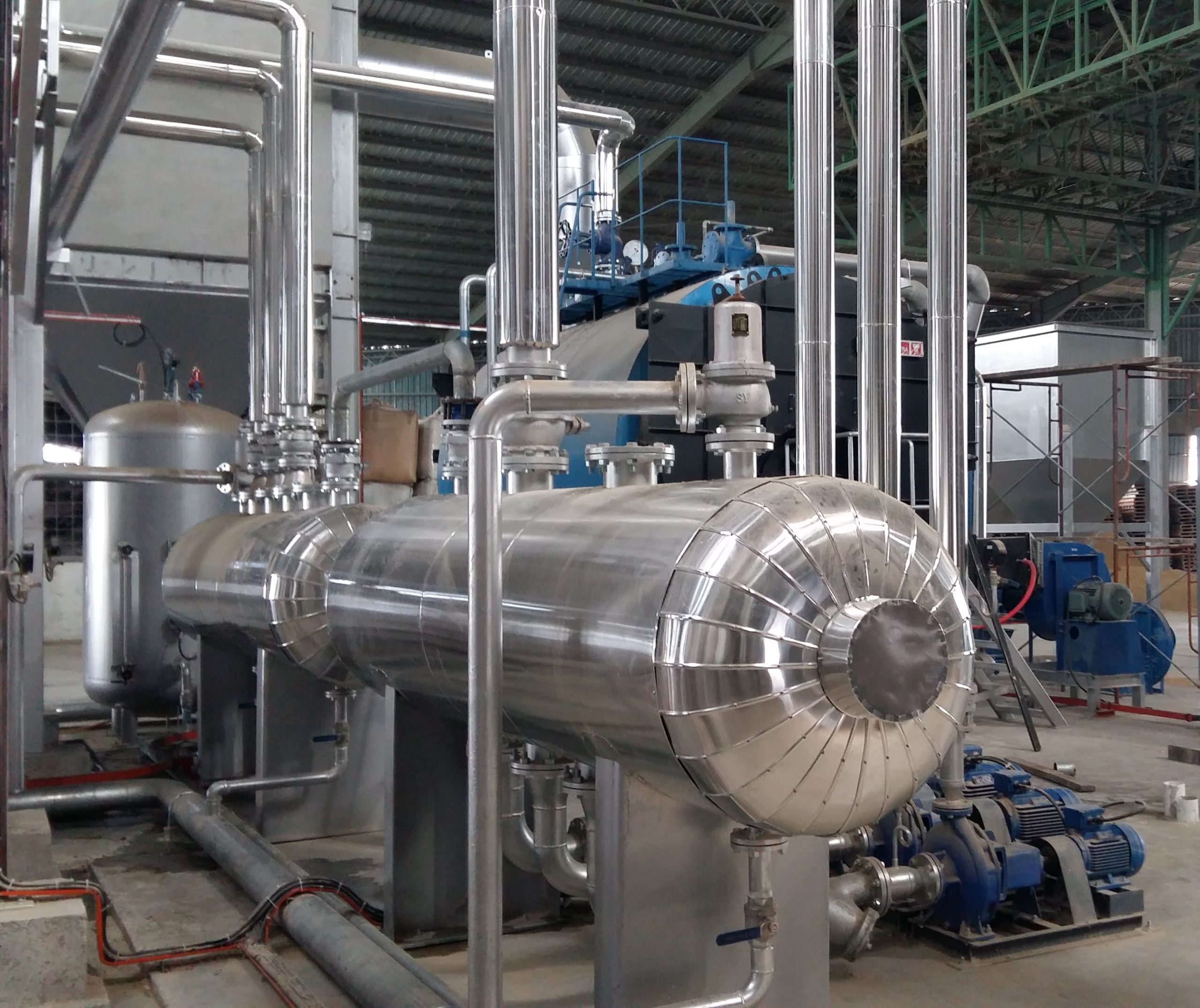
Choosing between a hot water generator and a steam boiler is an important decision for factories that depend on reliable industrial heating. While both systems provide heat for production processes, they are designed for different applications.
A hot water generator is suitable for factories that require continuous hot water circulation with stable temperature control, while a steam boiler is designed for processes that require steam supply and steam-based heat transfer.
Before selecting a heating system, factories should evaluate their actual production requirements, temperature needs, fuel options, operating costs, and future expansion plans.
This guide explains the differences between a hot water generator and a steam boiler to help factories choose the right heating solution.
The Key Question: Does Your Factory Need Steam or Hot Water?
The most important question before selecting a heating system is:
Does your production process require steam, or does it only require heated water?
Many factories choose steam boilers because they are widely used in industrial applications. However, some processes do not require steam and may benefit from a hot water heating system instead.
A hot water generator may be suitable when your factory requires:
- Continuous hot water supply
- Stable temperature control
- Process heating without steam injection
- Hot water circulation systems
A steam boiler may be required when your factory needs:
- Steam directly supplied to equipment
- Steam injection processes
- High heat transfer through steam condensation
- Existing steam distribution systems
Choosing the correct system can help avoid unnecessary investment, reduce operating complexity, and improve long-term operational efficiency.
Factories planning a heating system should also consider factors such as capacity, fuel type, installation requirements, and supplier support.
What Is an Industrial Hot Water Generator?
An industrial hot water generator is a heating system designed to produce and circulate hot water for industrial applications.
The system uses a burner or heat source to transfer energy to water. The heated water is then circulated through a closed-loop system to deliver heat to production equipment.
Factories commonly use hot water generators for applications such as:
- Industrial washing systems
- Cleaning processes
- Process heating
- Temperature-controlled applications
- Manufacturing operations requiring hot water supply
Unlike steam boilers, hot water generators do not produce steam. They are designed for processes where hot water is the required heating medium.
Factories looking for an industrial hot water generator solution should evaluate factors such as required temperature, heating capacity, fuel availability, and operating conditions before selecting a system.
What Is a Steam Boiler?
A steam boiler is an industrial heating system that converts water into steam through heat generated from fuel combustion.
The steam produced is distributed through piping to provide heat for industrial processes and equipment.
Steam boilers are commonly used in:
- Food processing
- Pharmaceutical manufacturing
- Chemical processing
- Textile production
- Rubber manufacturing
Steam remains widely used because it provides efficient heat transfer through condensation, making it suitable for applications that require steam as part of the production process.
For factories comparing different industrial heating technologies, understanding the differences between steam boilers and other heating systems is important. You can also read more about industrial heating system comparison in our guide: Steam Boiler vs Thermal Oil Heater: Which Heating System Is Right for Your Factory?
Hot Water Generator vs Steam Boiler: Main Differences
| Comparison | Hot Water Generator | Steam Boiler |
|---|---|---|
| Heat medium | Hot water | Steam |
| Main output | Heated water circulation | Steam generation |
| Best suited for | Processes requiring hot water | Processes requiring steam |
| System design | Hot water circulation loop | Steam distribution and condensate return |
| Operating method | Heat transfer through water circulation | Heat transfer through steam |
| Supporting equipment | Pump, expansion system, controls | Water treatment, steam piping, steam traps |
Application Comparison: Which System Fits Your Factory?
The right heating system depends on your production process.
| Factory Requirement | Recommended System |
|---|---|
| Hot water for cleaning processes | Hot Water Generator |
| Continuous hot water circulation | Hot Water Generator |
| Temperature-controlled heating | Hot Water Generator |
| Steam sterilisation | Steam Boiler |
| Steam injection process | Steam Boiler |
| Equipment designed for steam operation | Steam Boiler |
For example, a factory requiring hot water for cleaning or process heating may not need a steam system. Installing a steam boiler for a process that only needs hot water may increase system complexity and maintenance requirements.
However, industries that rely on steam-powered equipment or direct steam applications will usually require a steam boiler system.
Operating Cost Considerations
The operating cost of a heating system depends on more than the initial equipment price.
Important factors include:
- Fuel type
- Heating demand
- Operating hours
- System efficiency
- Maintenance requirements
- Existing infrastructure
A hot water generator may be more practical when a factory only requires hot water because it avoids additional steam system components such as steam traps and condensate return systems.
A steam boiler may provide better value when steam is already integrated into production because the factory infrastructure is designed around steam usage.
When comparing heating solutions, factories should consider both initial investment and long-term operating expenses. Factors affecting industrial heating equipment costs are explained further in our article about industrial boiler cost factors.
Installation and System Complexity
Before selecting a heating system, factories should evaluate the overall system requirements.
Steam Boiler Systems May Require:
- Boiler room setup
- Steam distribution piping
- Water treatment equipment
- Steam traps
- Condensate return systems
- Safety control systems
Hot Water Generator Systems May Require:
- Heating unit
- Circulation pump
- Hot water piping
- Expansion tank
- Temperature control system
The installation environment, available space, and existing factory infrastructure should be considered before making a decision.
Maintenance Comparison
Both hot water generators and steam boilers require regular maintenance to maintain safe and reliable operation.
Hot Water Generator Maintenance Includes:
- Burner inspection
- Water quality monitoring
- Pump inspection
- Temperature control checks
- System cleaning
Steam Boiler Maintenance Includes:
- Boiler water treatment
- Burner servicing
- Safety device inspection
- Boiler cleaning
- Steam trap inspection
- Condensate system maintenance
A proper maintenance program helps reduce unexpected downtime, improve efficiency, and extend equipment lifespan.
Factories operating industrial heating systems should follow proper industrial boiler maintenance practices to maintain reliable performance.
When Should You Choose a Hot Water Generator?
A hot water generator may be suitable if your factory:
- Requires continuous hot water supply
- Does not require steam for production
- Needs stable temperature control
- Wants a simpler heating circulation system
- Uses hot water-based process heating
Examples include cleaning applications, washing processes, and production operations where hot water is sufficient.
When Should You Choose a Steam Boiler?
A steam boiler may be the better option if your factory:
- Requires steam directly in production
- Uses steam-powered equipment
- Needs steam injection
- Already has steam infrastructure
- Requires high heat transfer through steam condensation
Before investing in a steam boiler, factories should evaluate capacity, fuel selection, installation requirements, and supplier capability.
How to Choose the Right Heating System for Your Factory
Before selecting between a hot water generator and steam boiler, consider these questions:
- What Does Your Production Process Require?
Determine whether your equipment needs steam or only heated water. - What Temperature Does Your Process Need?
Different applications require different heating temperatures and control methods. - What Fuel Options Are Available?
Fuel availability and operating cost can influence the most suitable system. - Do You Already Have Existing Infrastructure?
Existing steam piping or heating systems may affect installation requirements. - Does Your Supplier Provide Technical Support?
An experienced supplier should support system selection, installation, servicing, and troubleshooting.
Working with an experienced industrial boiler supplier in Malaysia can help factories select a heating solution that matches their operational requirements.
Common Mistakes When Choosing an Industrial Heating System
Factories should avoid selecting equipment based only on purchase price.
Common mistakes include:
- Installing a steam boiler when only hot water is required
- Choosing equipment without evaluating process needs
- Ignoring long-term maintenance costs
- Not considering future production expansion
- Selecting a supplier without technical experience
A properly selected heating system can improve reliability, efficiency, and long-term operational performance.
Frequently Asked Questions (FAQs)
Can a hot water generator replace a steam boiler?
It depends on the production process. If your factory requires steam directly, a steam boiler is still necessary. If your process only requires heated water, a hot water generator may be a suitable option.
Which is better, a hot water generator or a steam boiler?
Neither system is better for every application. A hot water generator is suitable for hot water heating requirements, while a steam boiler is designed for processes requiring steam.
Is a hot water generator cheaper to operate than a steam boiler?
Operating costs depend on fuel type, system efficiency, usage conditions, and maintenance requirements. A hot water generator may be more suitable when steam is not required because it avoids unnecessary steam system components.
Which industries use hot water generators?
Hot water generators are commonly used in manufacturing, food processing, cleaning applications, and industrial processes that require reliable hot water supply.
Why do factories still use steam boilers?
Steam boilers remain widely used because steam provides efficient heat transfer and is required for many industrial processes, including sterilisation and steam-based production equipment.
How do I choose between a hot water generator and steam boiler?
The right choice depends on your production process, heating requirements, fuel options, existing infrastructure, and long-term operating goals.
Not Sure Which Heating System Is Right for Your Factory?
Selecting between a hot water generator and steam boiler requires careful evaluation of your factory’s process requirements, heating demand, and operating conditions.
Sinflon provides industrial heating solutions in Malaysia, including hot water generator systems, boiler solutions, installation, servicing, and technical support for industrial applications.
Contact our team to discuss your heating requirements and find a suitable solution for your factory.
Disclaimer:
We hope you find this article helpful. The information provided is intended for general business and industry guidance only and may not apply to every situation. While we strive for accuracy, results and interpretations may vary based on specific business needs, locations, or industry conditions. We cannot guarantee that all information is error-free. Sinflon Engineering Sdn. Bhd. assumes no responsibility for any errors or omissions. For tailored business solutions, we recommend consulting with a professional or contacting us directly.